MemoHoney ingredients explained: what each of the six does
A plain-English look at L-arginine, arginine AKG, two forms of citrulline, niacin and beta-alanine, and what the evidence does and does not say.
MemoHoney's seller lists six ingredients. Four are forms of just two amino acids, arginine and citrulline. The other two are a B vitamin and a third amino acid. Here is what each one is, why a formula like this includes it, and where the evidence stands. The seller does not publish per-capsule amounts, so this guide covers the ingredients themselves. Your bottle's label has the numbers.
L-arginine and L-arginine AKG
L-arginine is an amino acid found in protein foods such as meat, fish, dairy, nuts and legumes. Your body also makes some itself. Its best-known job is as the raw material for nitric oxide (NO), which enzymes called nitric oxide synthases produce from arginine. Nitric oxide signals the smooth muscle in blood-vessel walls to relax, which helps regulate blood flow and blood pressure.
Arginine AKG is arginine bound to alpha-ketoglutarate, a molecule in the citric-acid (Krebs) cycle that cells use to release energy. "2:1" describes the ratio of arginine to AKG. It is a common form in sports nutrition.
A practical catch: when you swallow arginine, a large share is broken down in the gut and liver before it reaches circulation. That is one reason formulas add citrulline.
L-citrulline HCl and L-citrulline malate
Citrulline is an amino acid named after watermelon (Citrullus), one of its richest food sources. The kidneys convert citrulline into arginine. Because citrulline largely bypasses the gut and liver breakdown that arginine faces, studies have found that oral citrulline raises blood arginine levels more efficiently than arginine itself.
The two forms differ in what citrulline is paired with: hydrochloride (HCl) or malate, another citric-acid-cycle compound. Including both arginine and citrulline is a common strategy for keeping arginine available over the day.
Niacin (vitamin B3)
Niacin is an essential B vitamin. The body uses it to make NAD and NADP, coenzymes involved in hundreds of reactions, especially those that turn food into usable energy. Its role in normal energy-yielding metabolism and normal nervous-system function is well established. That is why it appears in formulas positioned for energy and cognition.
Most people get enough niacin from food. Very high doses of nicotinic acid, far above typical supplement amounts, can cause skin flushing. That is another reason to stick to the label serving.
Beta-alanine
Beta-alanine is a non-essential amino acid. The body combines it with histidine to make carnosine, a compound stored mainly in muscle and also found in the brain. Most research on beta-alanine comes from exercise science, where it is used to support muscle buffering during intense effort. Research on cognition is limited and early.
The bottom line
MemoHoney's ingredients are well-understood compounds with clear biological roles: building blocks for nitric oxide, a vitamin central to energy metabolism, and a carnosine precursor. What has not been published is a clinical trial of MemoHoney itself. Treat it as daily nutritional support, keep your expectations realistic and use the seller's 60-day guarantee to judge it for yourself.
Next, read how nitric oxide relates to brain health, or go back to the MemoHoney product overview.
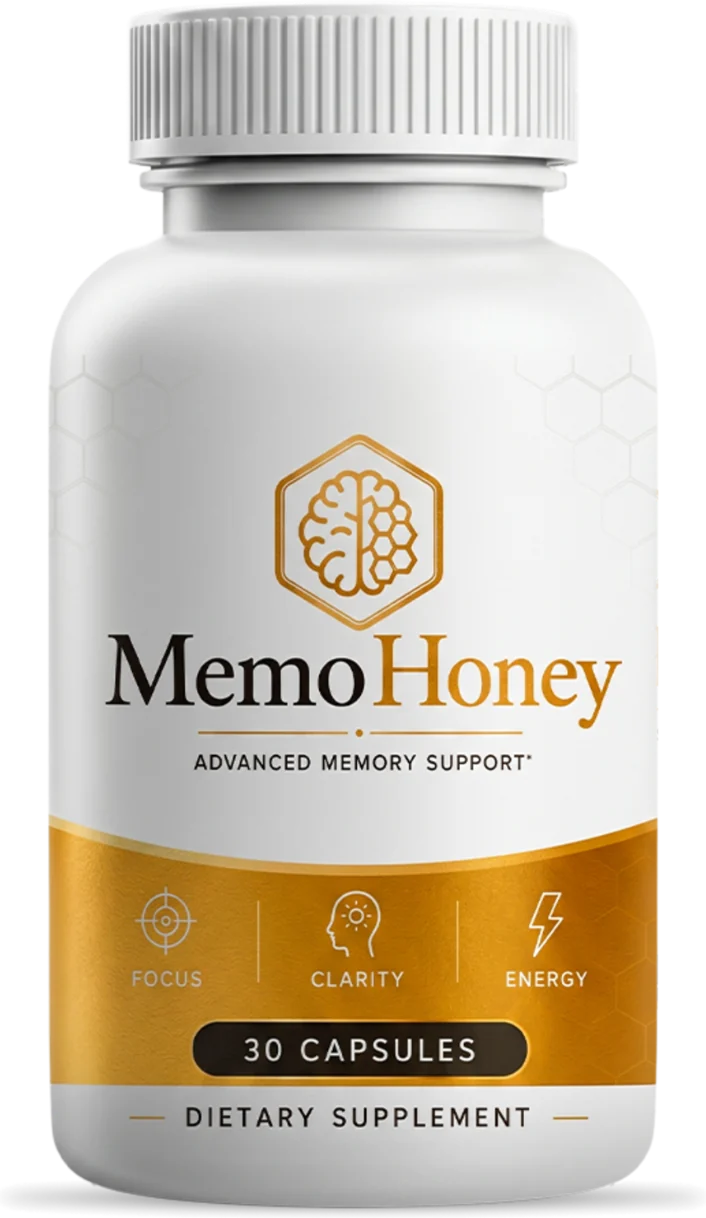
About MemoHoney
A once-daily, stimulant-free capsule with six listed ingredients, sold in 2-, 3- and 6-bottle packages with a 60-day guarantee from the seller.
View the OfferThis article is for general education and is not medical advice. *These statements have not been evaluated by the Food and Drug Administration.